Currents of Intelligence - Working with Oceans, Organisms and Other-Than-Human.
BIOfutures in Conversation with Kasia Molga | Sunday 1 March 4.00pm UK

The final session in our World Futures Day BIOfutures in Conversation trilogy brings the afternoon to a close with a thought-provoking dialogue between host Dr. Melissa Sterry and artist, designer and researcher Kasia Molga.
Following conversations with Samantha Mureau and Chris Bellamy, whose practices span biofabrication, living materials and regenerative design, this concluding exchange turns our attention to the philosophical, artistic and ethical dimensions of working with the more-than-human world. Whereas the earlier sessions explore how we might design, produce, and distribute differently - and the cultural and commercial impacts that might have, this final conversation asks how we might listen, sense and relate differently - how biomaterials and biodesign may shape our ideas about what it means to be human.
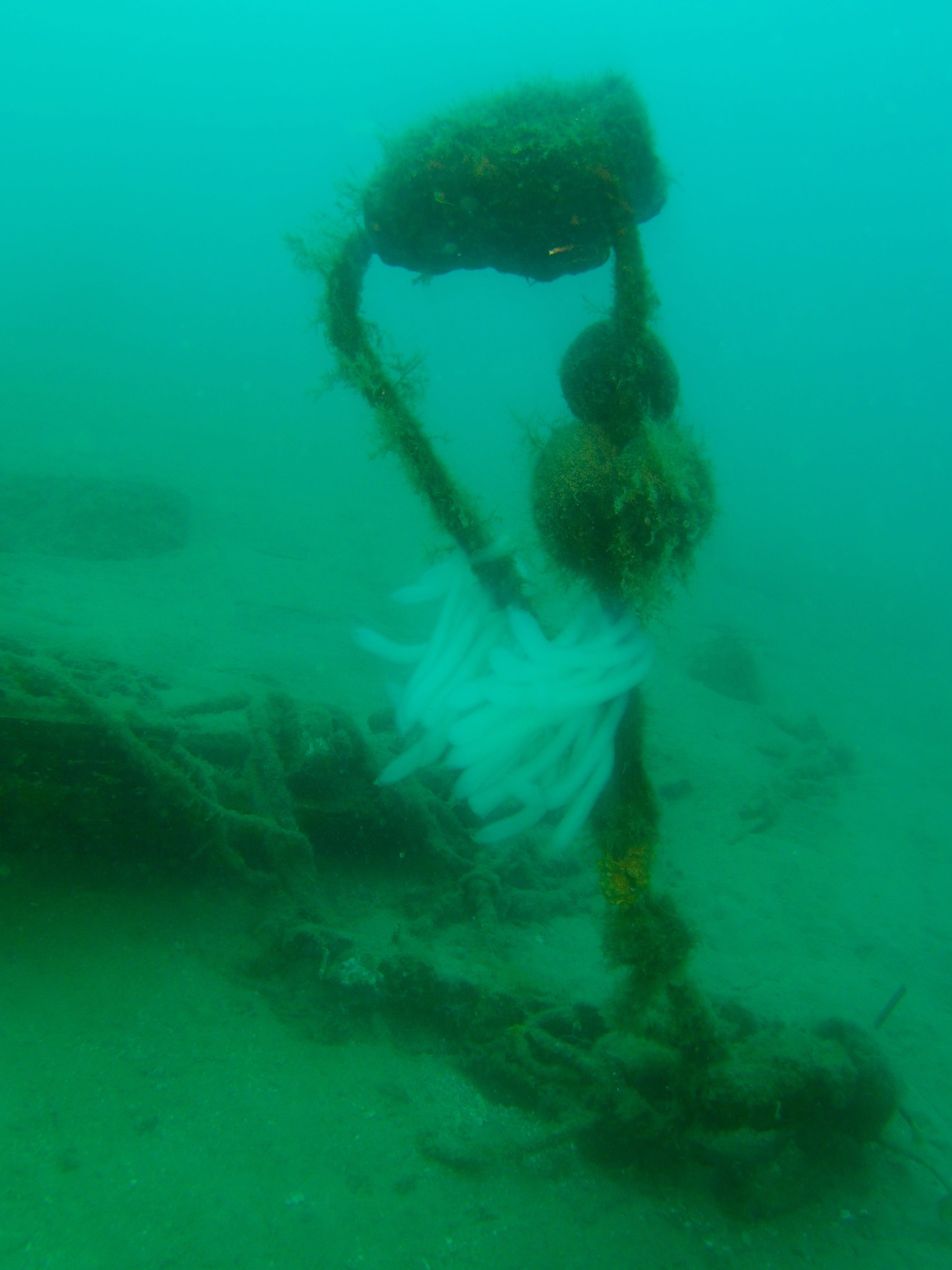
Kasia Molga’s practice is deeply shaped by water. Raised at sea aboard merchant navy vessels, she developed an early and enduring relationship with marine environments. Now a certified scuba diver, she frequently works underwater, using diving and photography not simply as documentation tools but as modes of artistic and scientific inquiry. The ocean, in her work, is not a backdrop but a collaborator, as well as a medium through which she explores questions of interdependence, fragility and intelligence.
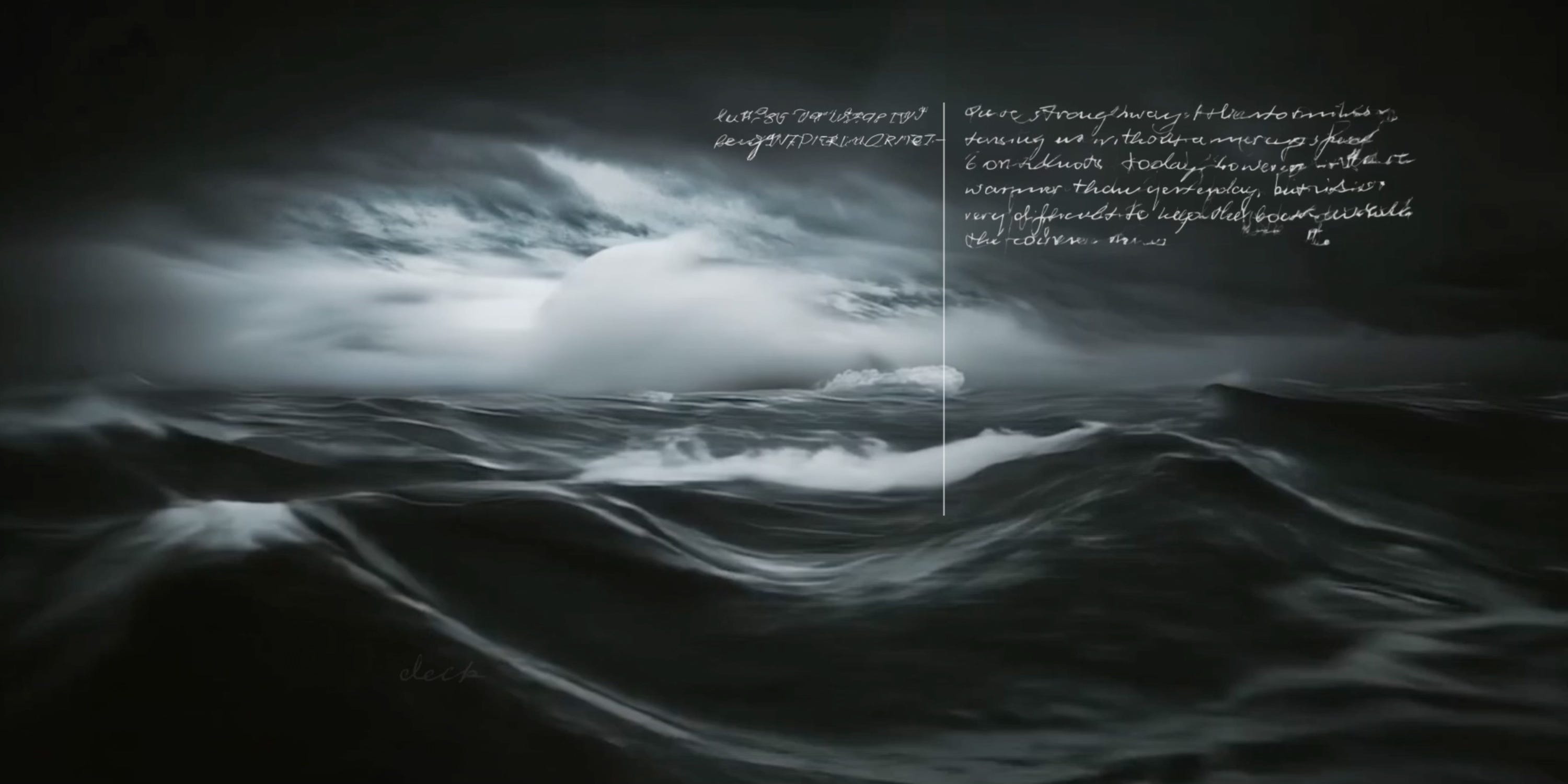
Through Studio Molga, she creates immersive hybrid installations and socially engaged commissions that bridge art, technology and ecology. Her projects often integrate environmental sensing, biological data and participatory performance, inviting audiences to encounter living systems not as abstract crises or distant statistics, but as intimate, embodied realities. Internationally exhibited and research-driven, her work operates at the intersection of cultural practice and environmental consciousness.
Central to Kasia’s approach is a fascination with non-human intelligence - the distributed cognition of ecosystems, the communicative capacities of organisms, and the subtle feedback loops that bind human and natural systems together. Rather than positioning technology in opposition to nature, she frequently uses it as a mediator: a way of translating otherwise invisible processes into forms we can perceive, feel and reflect upon. Sensors, data streams and responsive environments become tools for deepening ecological awareness rather than distancing us from it.
In conversation with Melissa, Kasia will explore what it means to collaborate with living systems ethically and imaginatively. How do we create art and design that acknowledge agency beyond the human? What responsibilities arise when working with biological data, fragile habitats or emergent technologies? And how might artistic practice help us grapple with the profound cultural shifts required in an era defined by climate instability and oceanic change?
As the final instalment in this World Futures Day trio, the session offers both culmination and provocation. It widens the lens from material innovation to relational philosophy, from fabrication to perception.
The conversation will be available to subscribers of the BIOfuturism Substack, completing an afternoon of discussions that move from material transformation to living systems to the deeper currents of interspecies understanding. On World Futures Day, it feels fitting to end not with answers, but with an invitation: to think, feel and imagine futures shaped by reciprocity, care and profound ecological connection.